


Projects in Brazil
|


  |
ENL Genomic Signature and Neutrophil Interventions, Brazilië, 2025-2028
Patients with lepromatous leprosy and borderline leprosy can develop a severe immunological complication known as Erythema Nodosum Leprosum (ENL). This reaction can affect patients even after completing treatment and may lead to nerve damage and dysfunction. To treat ENL episodes, immunosuppressive medications are used to suppress the excessive inflammatory response, often requiring prolonged use of corticosteroids and/or thalidomide. However, these medications can cause serious side effects. Thalidomide is highly effective in alleviating ENL symptoms, often within a few days, but its teratogenic properties (which can cause birth defects in foetuses) restrict its use to people outside reproductive age. As a result, the drug is only approved for use in certain countries, such as India and Brazil. Although it is believed that the immune system-modulating effects of thalidomide make it effective in treating ENL, the exact molecular targets in ENL are not yet fully understood. In recent studies, researchers have analysed how our genes respond to infections, with a focus on ENL. Genes from leprosy patients with and without ENL were compared, also with patients starting thalidomide treatment. Previously, the researchers studied the genes in skin lesions of ENL patients and discovered certain genes associated with a kind of white blood cell, neutrophils. Now, the Oswaldo Cruz Foundation aims to identify the opposite gene pattern, hoping that this will lead to new targeted treatments for ENL. The researchers plan computer analyses to identify drugs that can influence these genes and will then test them in the laboratory using neutrophils from healthy people and leprosy patients, with or without ENL. By providing more insight into the progression of the disease and immunology, the research will contribute to the development of more effective treatment strategies for ENL. This will lead to a quicker start of treatment and better outcomes for affected individuals. The Turing Foundation is contributing €86,619 towards this project (of which €20,255 in 2026). See also:  ENL Genomic Signature and Neutrophil Interventions |
 |
PUCP, Genetic susceptibility to leprosy and disease recurrence, Brazilië, 2025-2027
Development of a leprosy infection into the disease is strongly dependent on a patient's genetic makeup. Technological innovations have enabled DNA-related studies to successfully identify various candidate genes associated with leprosy transmission as well as with clinical manifestations of the disease, including the type of leprosy and the occurrence of leprosy reactions. However, only a few of these studies have focused on accurately identifying the actual causal genetic variants of the disease. Moreover, recurrence of leprosy (due to relapse or reinfection) is an under-researched phenomenon, despite its significant impact on healthcare systems. The research team has already identified many genetic variants with potentially strong effects on leprosy; they have also described a genetic profile that could indicate hyper-susceptibility in patients who have experienced recurrence of the disease. The next step is to validate these results in different populations. In this project, Pontifícia Universidade Católica do Paraná (PUCP) researchers will search for new genetic variants associated with leprosy and will verify these variants using a large sample of the Brazilian population. The researchers will analyse the impact of these variants together to describe a genetic profile that may make patients more susceptible to developing leprosy, even after a previous infection. Finally, they hope to contribute to the development of a genetic panel that can be used to monitor patients and their contacts, particularly in endemic areas. The Turing Foundation is contributing €39,432 towards this project. See also:
PUCPR Brazil Pontifícia Universidade Católica do Parana: other projects
Leprosy Research Initiative: other projects
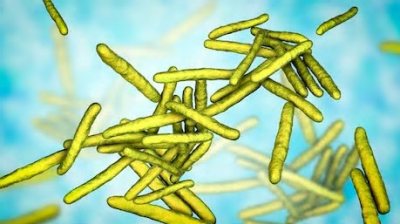
 Scanning Electron Microscopy of M. leprae |
 |
ENLIST Randomised controlled trials of methotrexate in Erythema Nodosum Leprosum, 2016-2026
Erythema Nodosum Leprosum (ENL) is a serious and very painful leprosy complication. It is often chronic and causes serious morbidity, not only affecting the skin but also bones, joints, eyes, nerves, testes, and kidneys. Effective treatment for ENL is available but expensive, has considerable side-effects, and is often inaccessible in many countries where leprosy is endemic. Methotrexate is cheap and has been used all over the world to treat conditions like psoriasis since the 1950s. This medicine is possibly an effective alternative to prednisolone (the most widely used corticosteroid treatment for ENL). The London School of Hygiene and Tropical Medicine will validate this by inviting patients with ENL in Bangladesh, Brazil, Ethiopia, India, Indonesia, Nepal and the Philippines to take part in a study where some patients are prescribed methotrexate, and others prednisolone. The Turing Foundation is contributing €350,000 towards this research See also:
Leprosy Research Initiative: other projects
Other projects in Bangladesh
Other projects in Ethiopia
Other projects in India
Other projects in Indonesia
Other projects in Nepal
Other projects in Philippines
 Randomised controlled trials of methotrexate in Erythema Nodosum Leprosum |
  |
LepVax: safety and vaccin-induced immune response, Brazil, 2019-2028
Researchers from the Infectious Disease Research Institute (IDRI), in collaboration with the America Leprosy Mission (ALM), have developed a leprosy specific vaccine called LepVax. This vaccine has both prophylactic properties (preventing leprosy) and immunotherapeutic properties (treating leprosy reactions). That means that LepVax should prevent further development of the disease, both deformities after infection and new infections. This study is focused on testing the safety of and immune response to LepVax. The project includes collaboration with a clinic for leprosy research in Brazil (FioCruz). The Turing Foundation has already contributed € 200,000 towards the earlier phases of this research, and is contributing € 175,000 towards this follow-up research. The Leprosy Research Initiative is contributing an equal sum. See also:
Infectious Disease Research Institute: other projects
Leprosy Research Initiative: other projects
America Leprosy Missions: other projects
Other projects in Netherlands
 LepVax: safety and vaccin-induced immune response, Brazil |
 |
Comparative sequencing analysis of genes associated with susceptibility to leprosy and its reactive states, 2016-2017
Developing leprosy is highly dependent on the host's genetic risk factors. Molecular studies have been conducted to determine the genetic characteristics of leprosy patients. A number of candidate genes which are associated with susceptibility to leprosy and the development of leprosy reactions have successfully been identified. However, none of these studies have demonstrated which genes cause susceptibility to leprosy, nor which cause leprosy reactions. The Turing Foundation is contributing €21,334 towards this PUCPR project, which will map the six genes consistently associated with sensitivity with leprosy and leprosy reactions. They expect to describe rare and/or new varieties, providing more insight into leprosy susceptibility. In addition, the effect of these variants on the early detection of leprosy patients will be analysed. See also:
PUCPR Brazil Pontifícia Universidade Católica do Parana: other projects
Leprastichting: other projects
 Comparative sequencing analysis of genes associated with susceptibility to leprosy and its reactive states |
 |
Research on treatment of early neuropathy in leprosy 2014-2017
The TENLEP Research Consortium (Treatment of Early Neuropathy in Leprosy) is a large international association in which 14 researchers from renowned research institutes all over the world work together, combining their expertise in the field of leprosy-related inflammation of the nerves. TENLEP Trial is a large-scale research project focussing on nerve damage caused by leprosy. Its central research questions are: 2. What is the most effective treatment for patients who have a clinical nerve function impairments? See also:
Other projects in India
Other projects in Bangladesh
Other projects in Philippines
Other projects in Indonesia
Other projects in Ethiopia
 Scanning Electron Microscopy of M. leprae |
 |
Emergency aid in the Slum Area of Vila Cruzeiro, Rio de Janeiro, 2010
The IBISS foundation stands up for Brazil's most underprivileged groups. Children in slums are either hardly stimulated to attend school or are not given the chance to. The Preparar Vila Cruzeiro project by IBISS in Rio de Janeiro's notorious slum changed that. IBISS managed to offer all children a basic education so they could be sent to school. From 2007-2009, the Turing Foundation contributed the full costs of € 150,000 to the Preparar Vila Cruzeiro project. Although Brazil is no longer part of our geographical focus, since Rio de Janeiro's favelas have been gravely affected by the recent floods of April 2010, it has been decided to grant a one-time emergency donation of € 10,000 in order to save the successful youth centre Espaço IBISS in Vila Cruzeira. See also:  Slums in Rio de Janeiro |
|
Education in the Slum Area of Vila Cruzeiro, Rio de Janeiro, 2007-2009
The IBISS Foundation stands up for the most marginalised groups in Brazil. In the slums children are hardly stimulated to go to school, or do not get the chance to do so. With the Preparar Vila Cruzeiro project in the infamous slum area of Rio de Janeiro IBISS tries to change this. On the renovated third floor of the IBISS building hundreds of children are received and educated or prepared to enter into a normal school. The Turing Foundation adopted this project in 2007 and in 2009 again finances the full project cost of € 50,000. See also: |